|
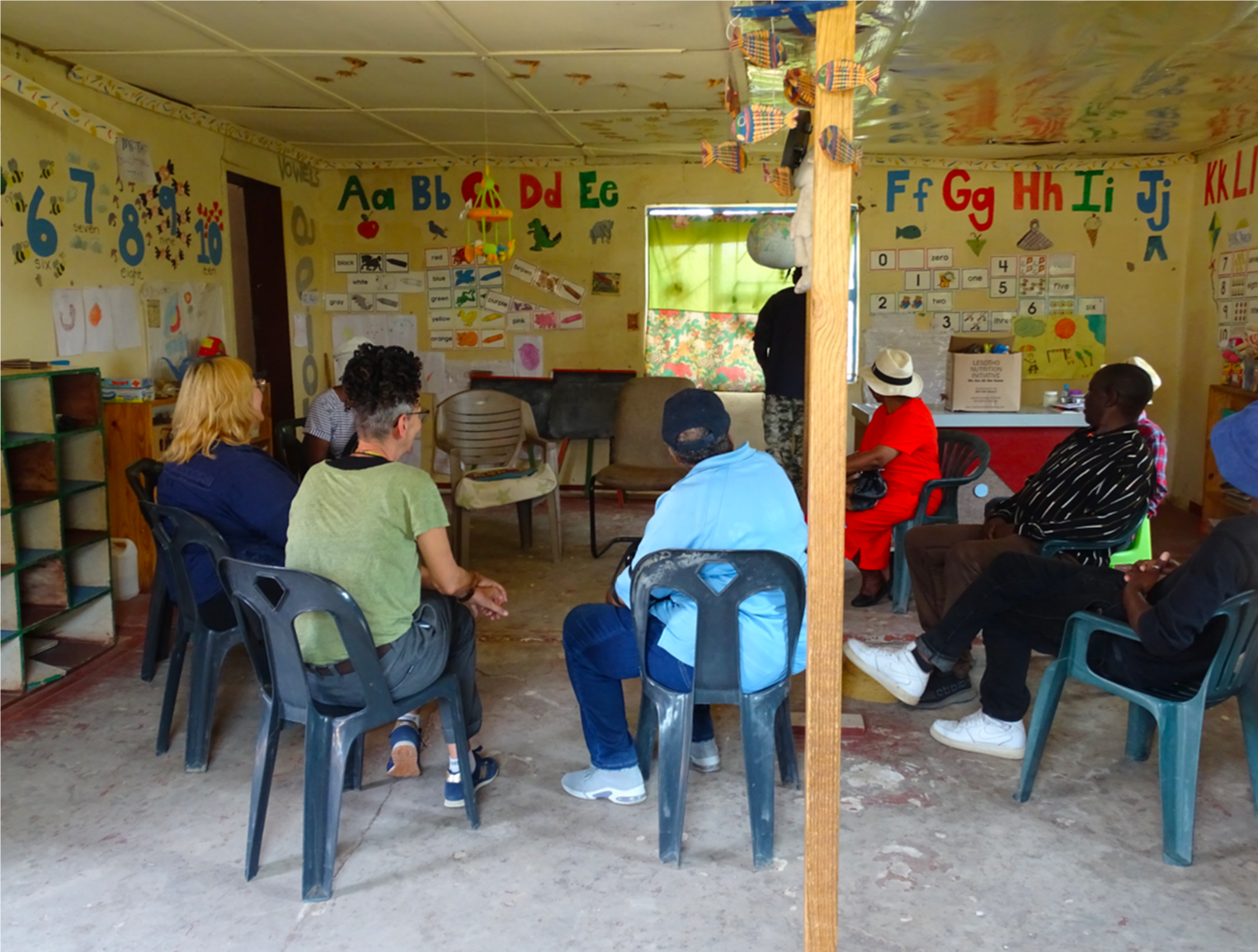
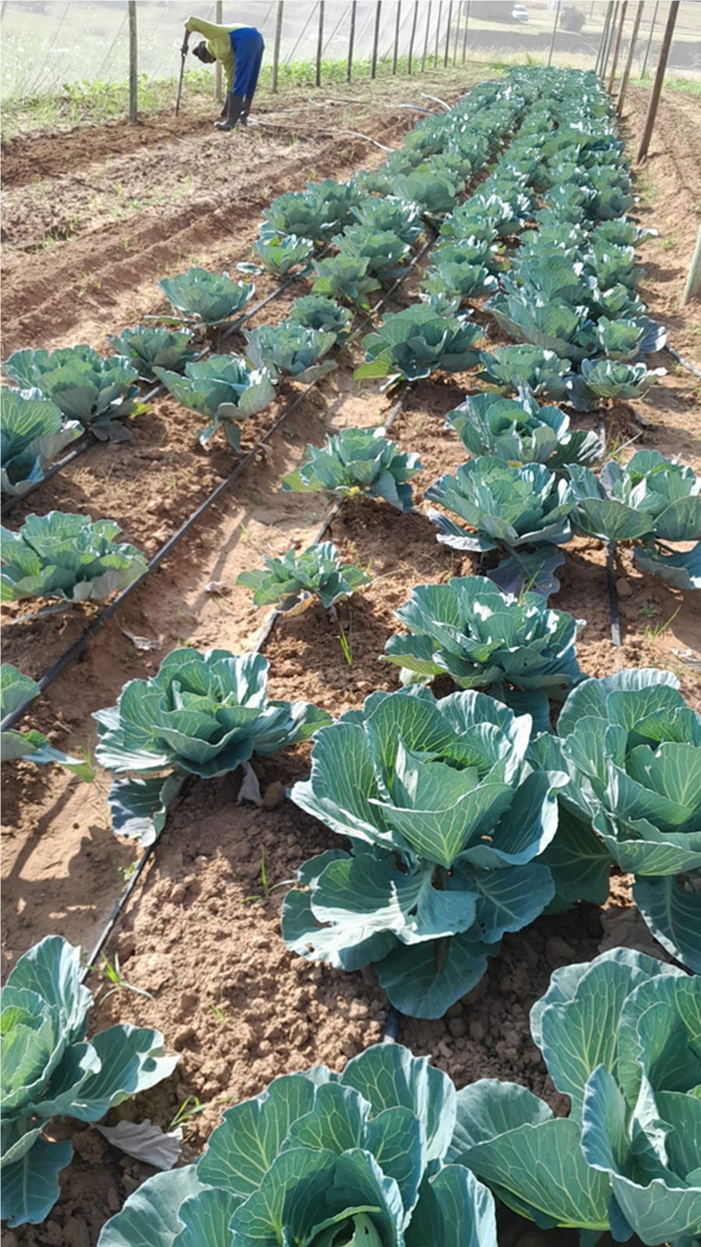
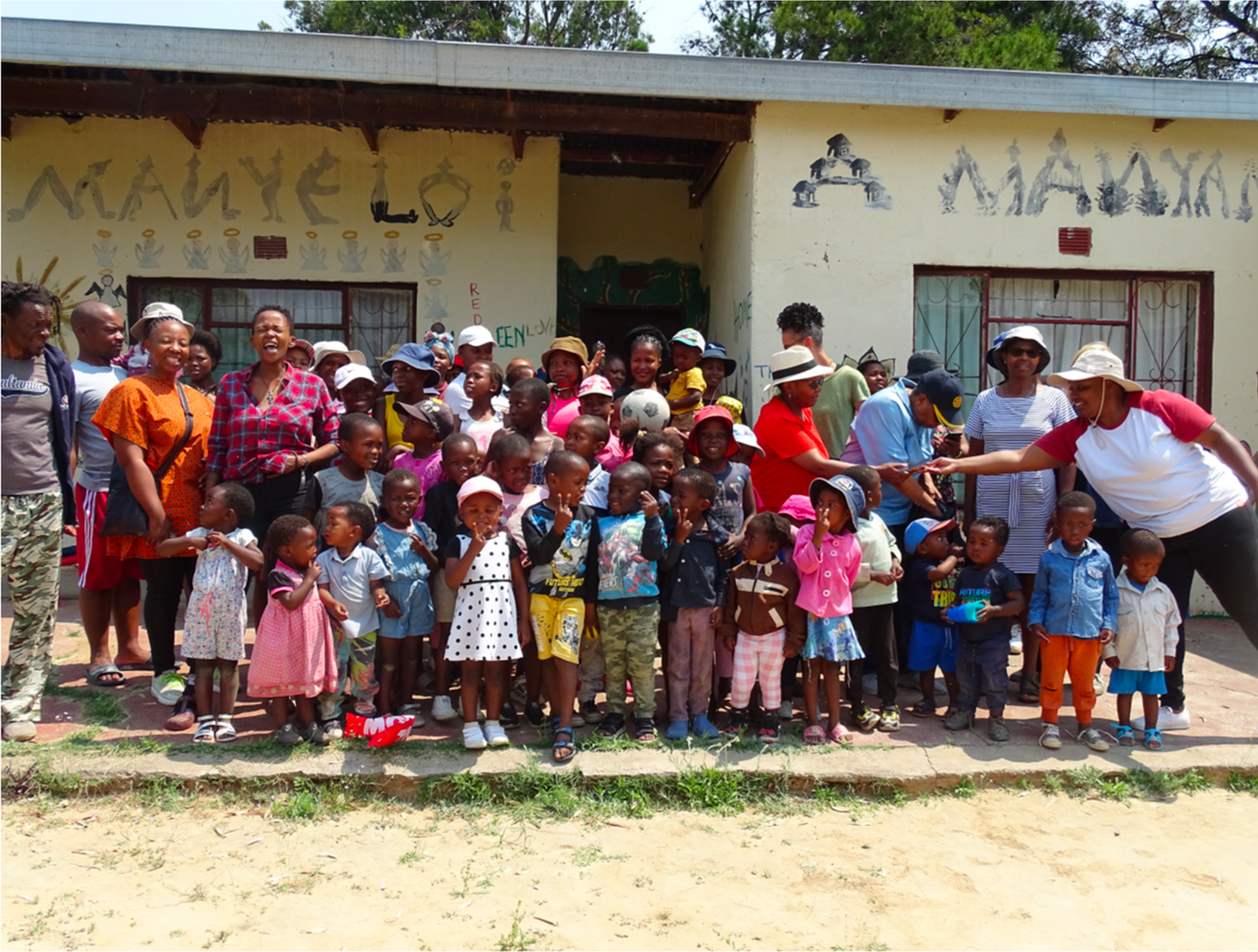
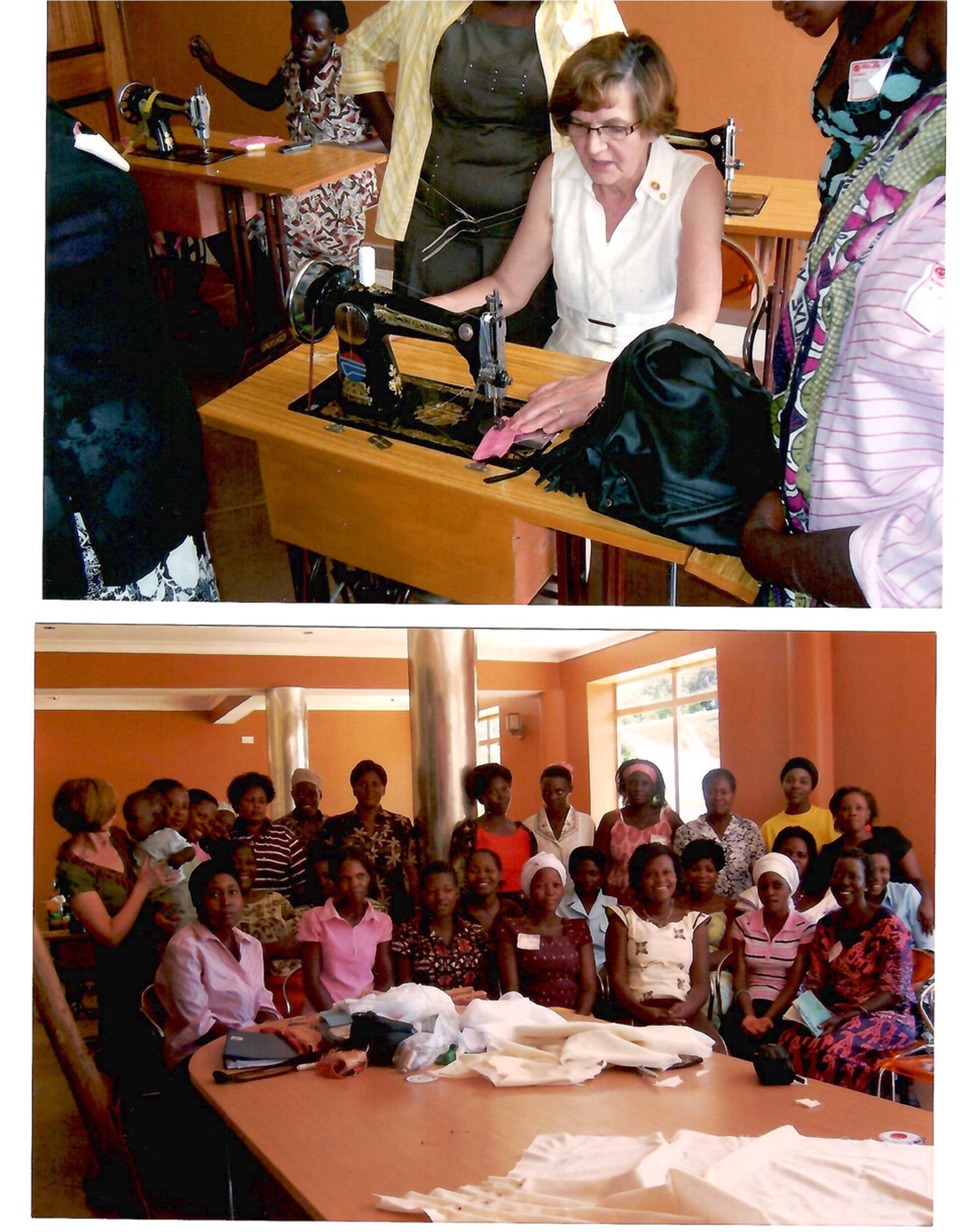
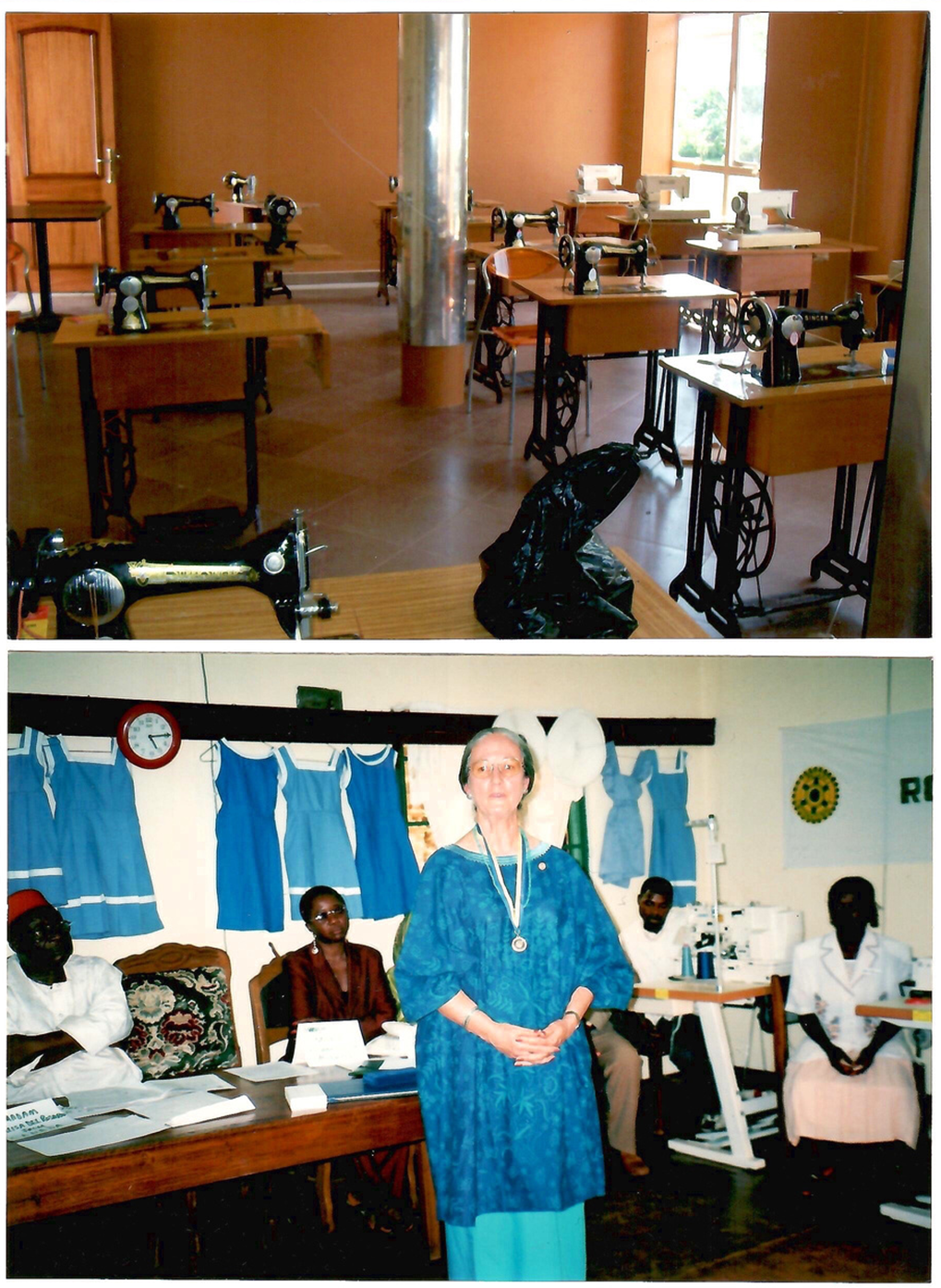
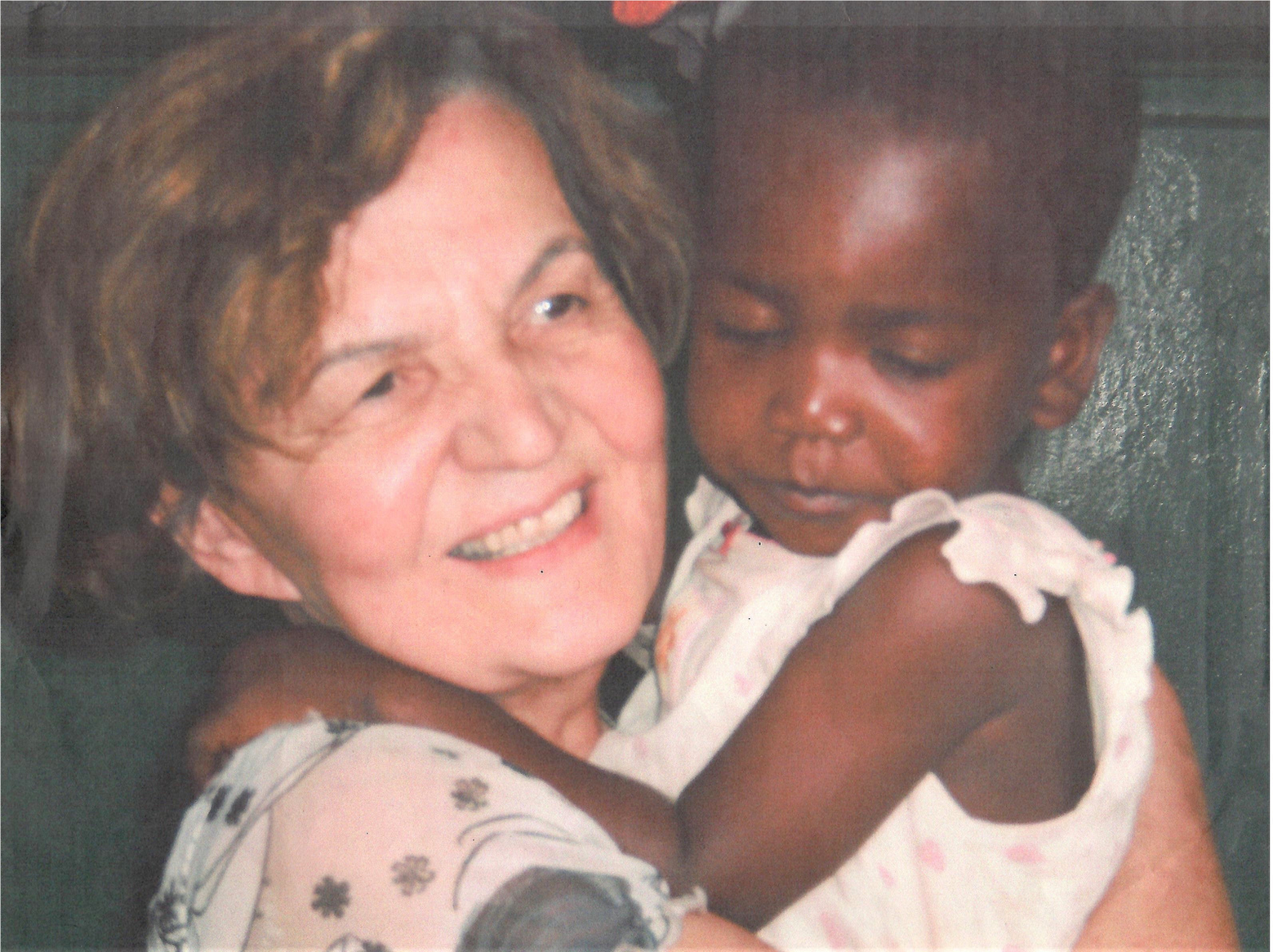
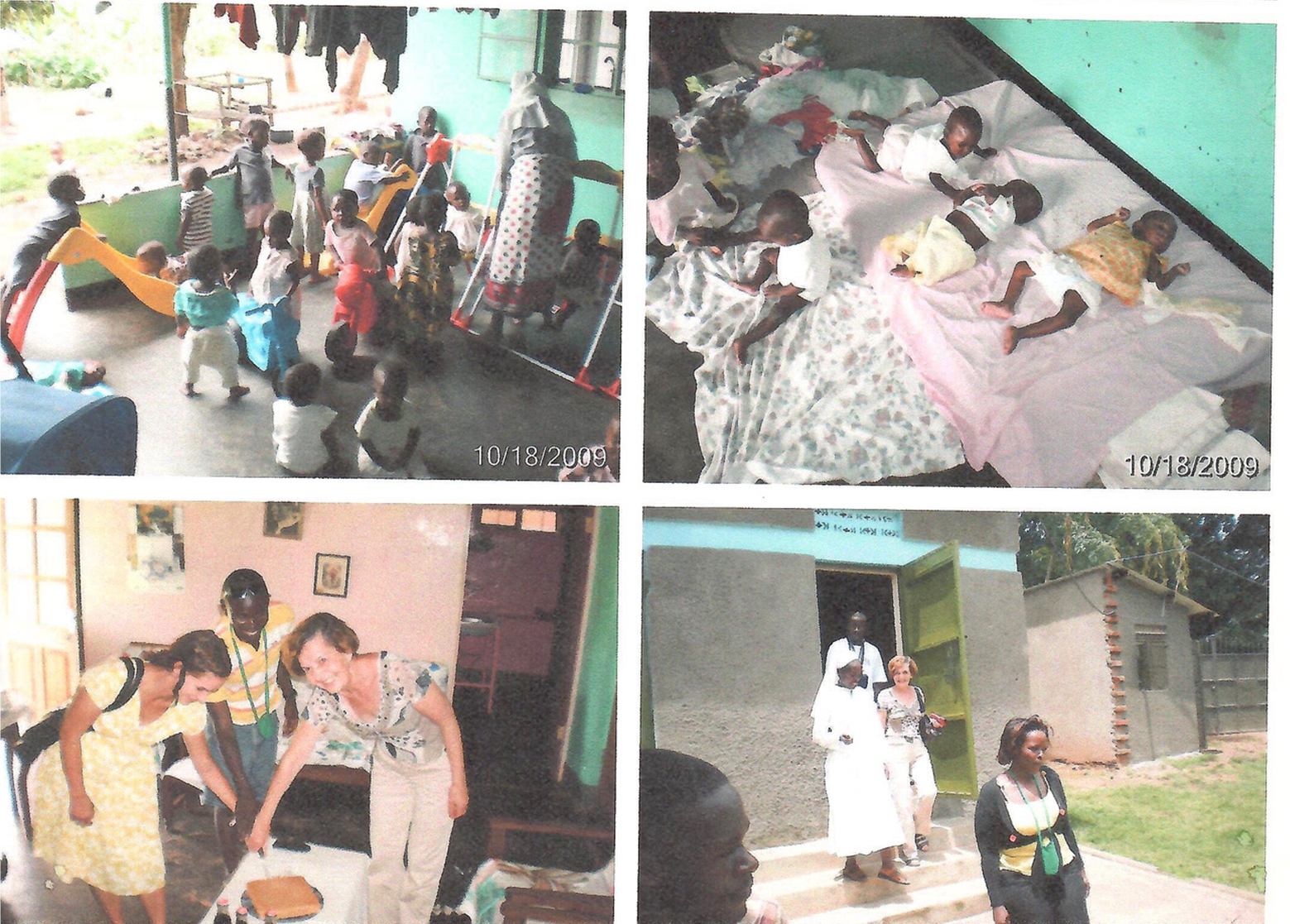
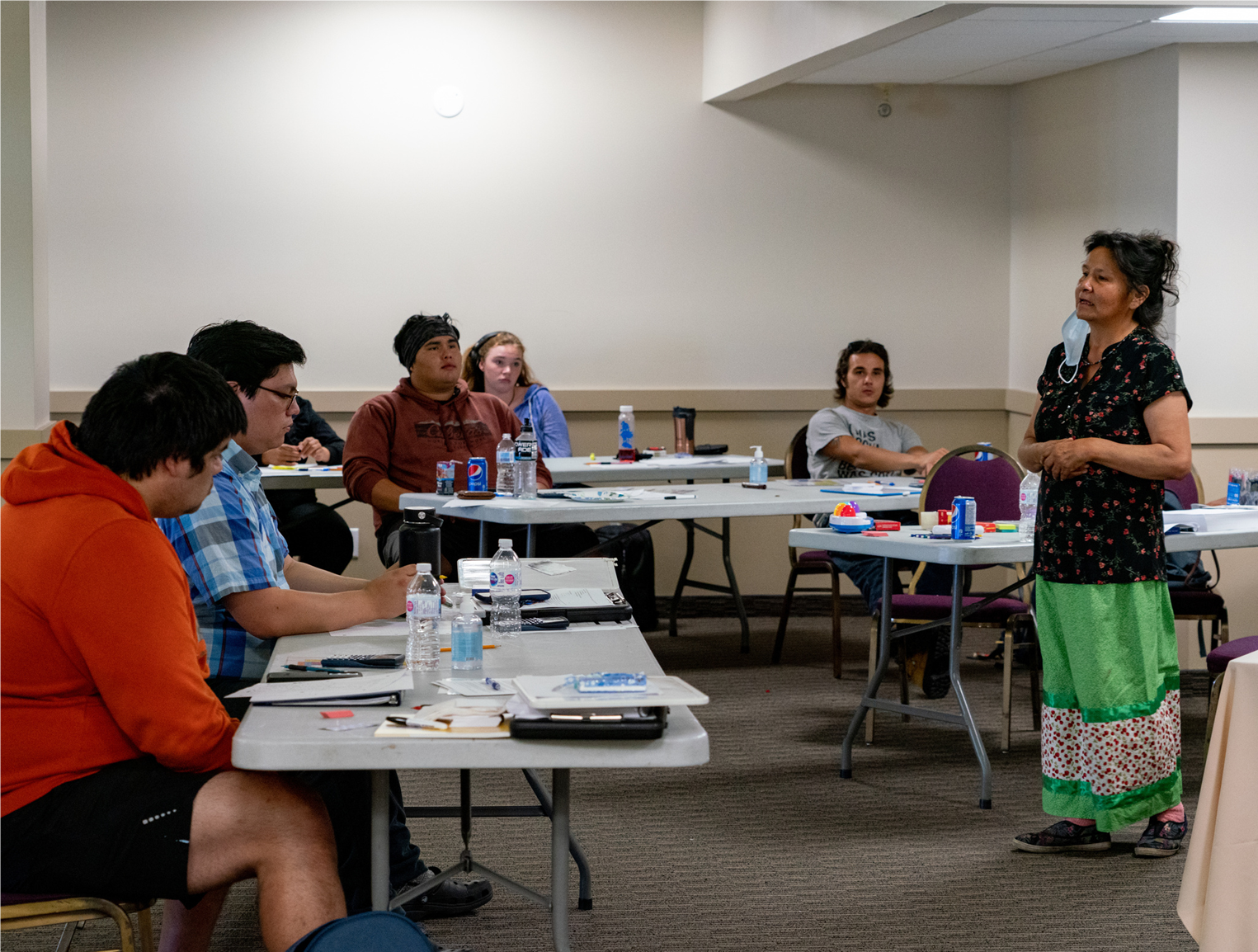
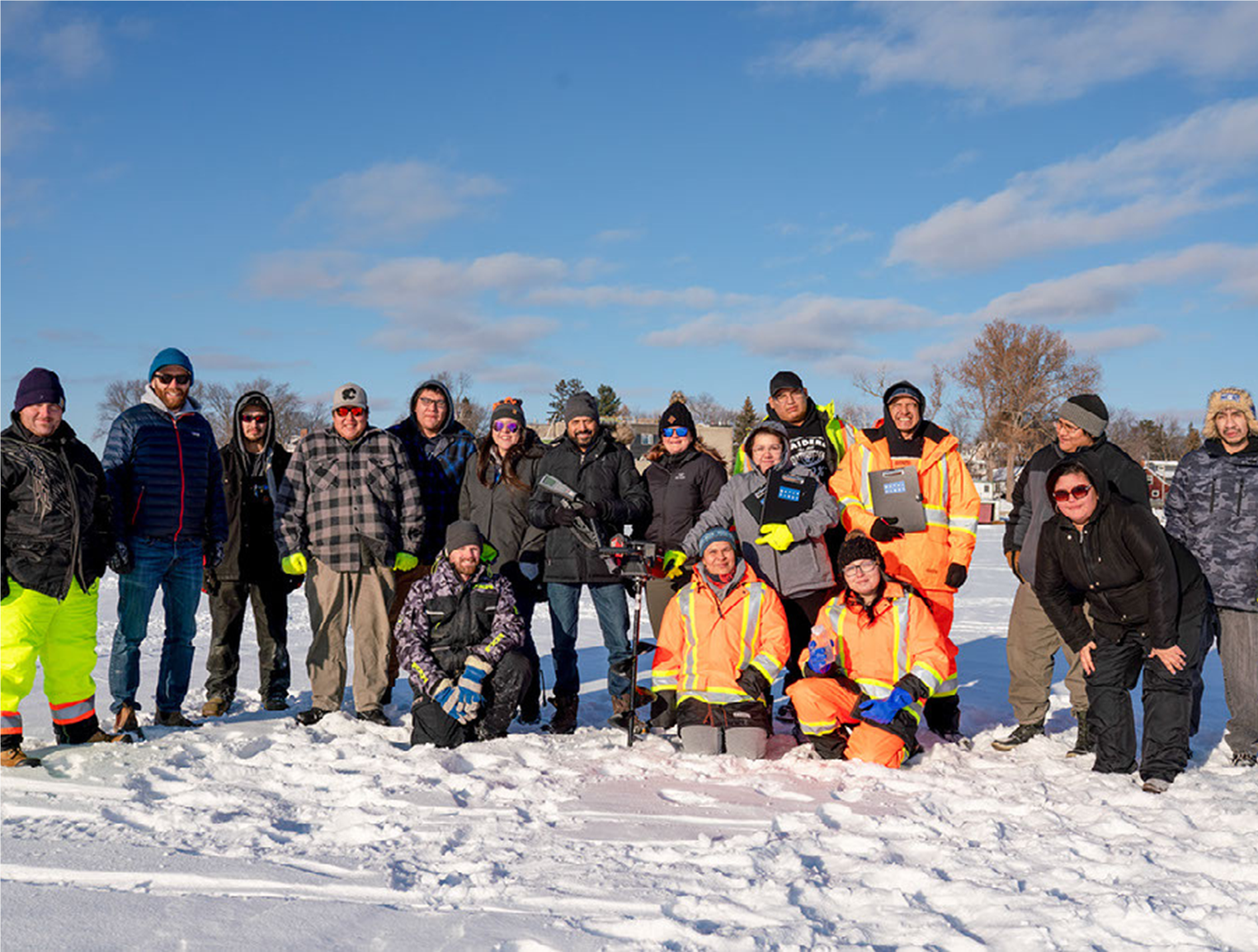
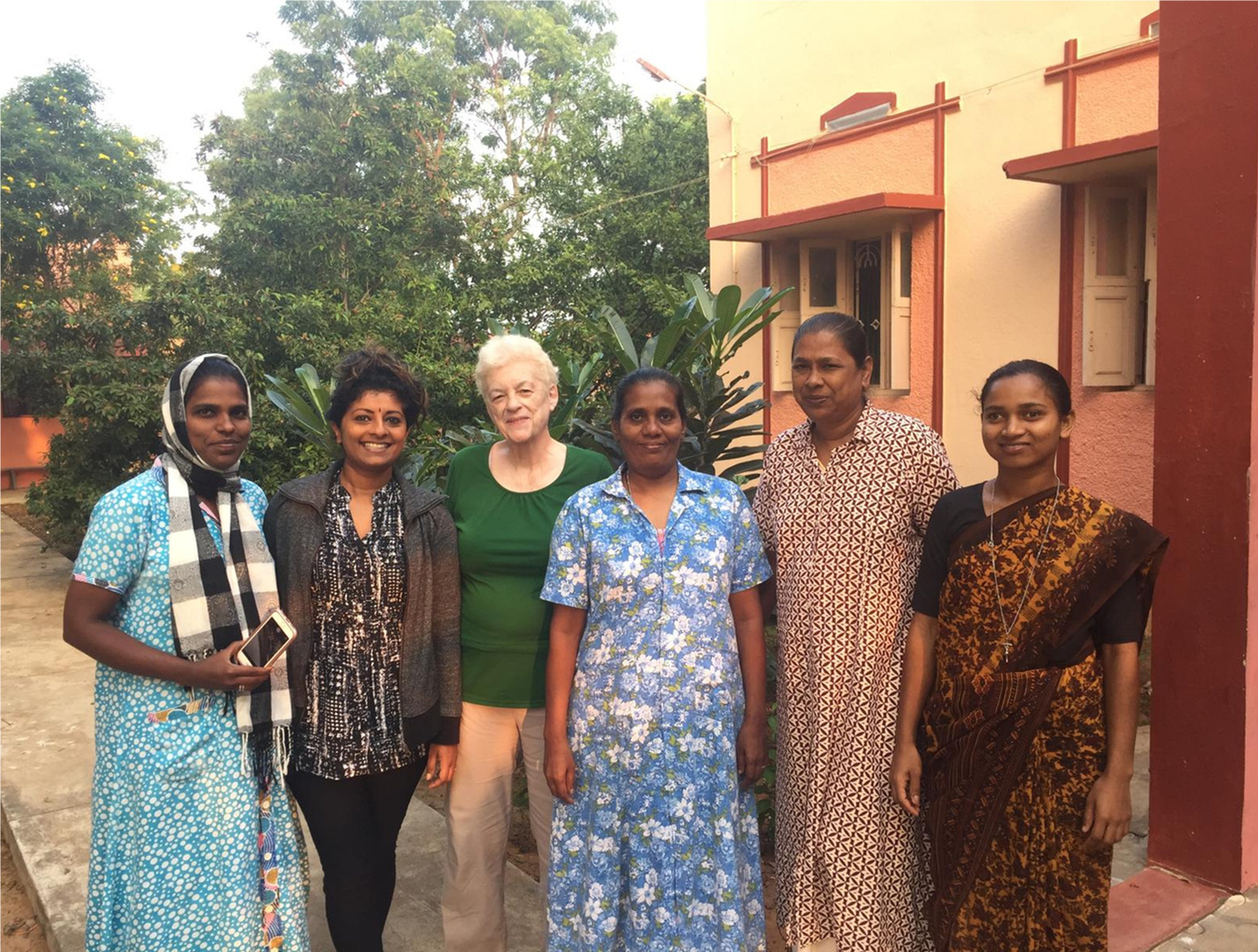
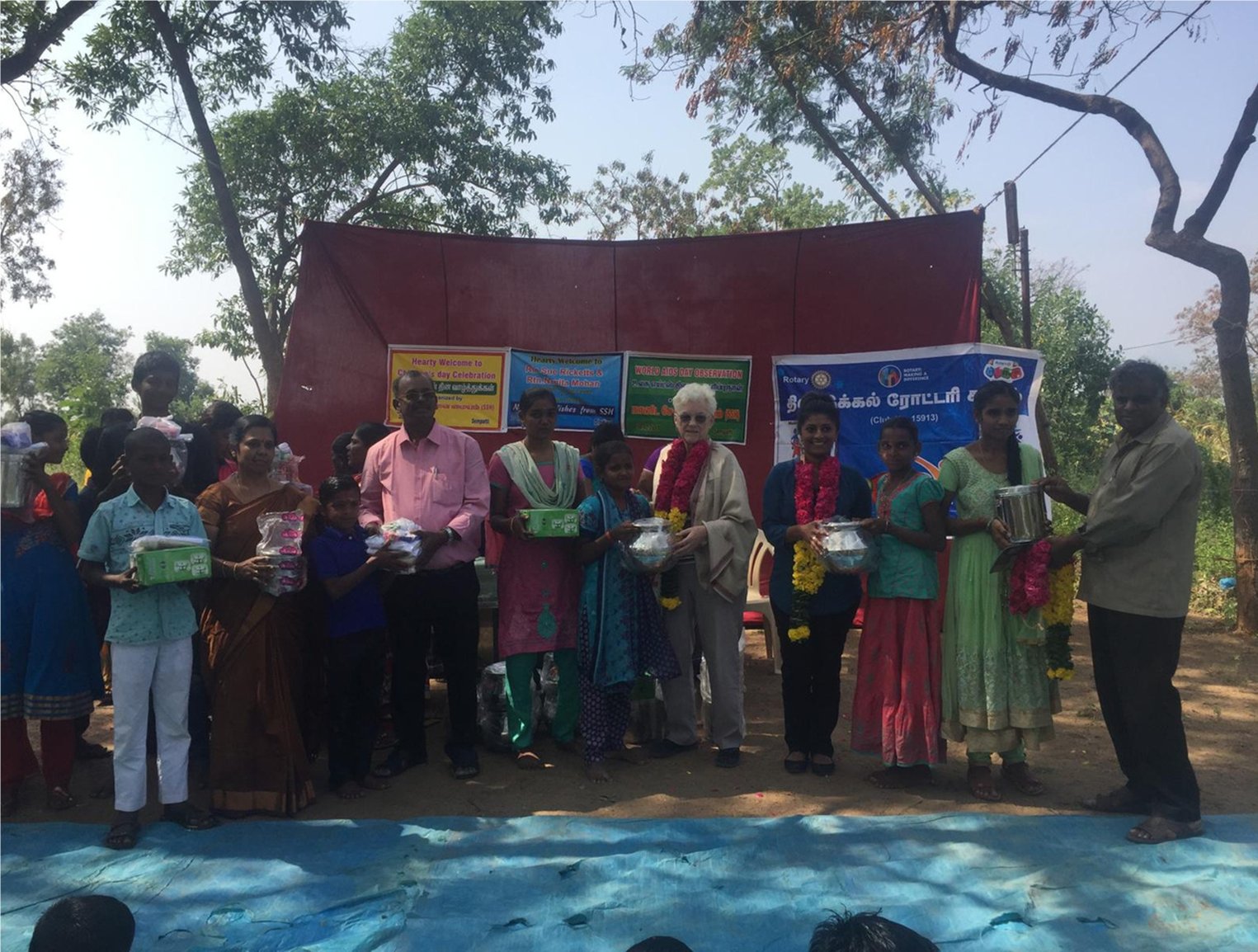
Noma began with a discussion of a garden project in Lesotho. The project began with a meeting with community members and educators in their childcare center. Noma explained that they didn't have enough money from the Rotary Foundation and the district to do the vegetable production, fix the floor and have a proper kitchen for them. So our club had to focus on creating the garden for them. Noma expressed that she hopes their other needs can be fulfilled by them in the future. The big vegetable field is about eight acres. They had potatoes, squash, and other vegetables. They have had a bountiful harvest for the past three years. It helped that Lesotho has been receiving a really good amount of rain to support their agriculture. The other thing that the club was involved in was a fence for the property to have chickens and piggery and so on. After Noma spoke, David Van Veen discussed the projects that he and our club were involved in in Cameroon and Uganda. He began by providing context to the importance of international service. He explained that the Rotary Club of Guelph has a really long and storied history in international service. He discussed how the CRCID (Canadian Rotary Committee for International Development) was managed out of Guelph for many years, first by passed Governor Dave Kennedy, and then by our esteemed past president and rotary member for 52 years, Bill Stevens. Their work included Both lobbying and advocating for CRCID with CEDA, the Canadian International Development Agency, and distribution and adjudication of projects with Rotary clubs all across our country. David then asked why we collaborate? He explained that it isn't so long ago when communicating around the world was a challenge. Even fax machines didn't come into vogue until the 1980s, let alone email, and smartphones, which both came much later. So the biggest challenge in international projects was the ability to communicate and collaborate with a community that lived far away. So, to complete and manage projects in other countries, Rotary needed to have people on the ground and needed to build trust with these communities. This extended relationship is what brought us to where we were working in partnerships. In this spirit, Uganda was twinned with the city of Guelph, and Cameroon was collaborating with the University of Guelph. As a result, we had Rotary members going back and forth between Uganda and Cameroon all the time. In this process, our members were able to exchange information. David emphasized that none of the work they did was random, "neither has been the philosophy which I hope, sincerely hope continues, which is about strong partnerships, where we let the host clubs articulate their needs, and as an analogy, as good partners, we don't just put a foundation in. We build the whole house. So it takes months, years, decades." So, in this regard, our club has been working with Cameroon and Uganda in a variety of spots for 25-30, years. It's a truly magical process. David concluded with a story that happened during the height of COVID. During this time, Cameroon was in a Guerilla war. Our club had the opportunity to do a DEPA grant. David said, "there was some pushback on that in regards to whether it was a good decision and whether we were taking too much risk, you know, whether the guerrillas could, you know, take advantage of this situation, you know, for some of these assets." Despite this, David is incredibly proud, to this day, that the board and senior leadership made this pitch. Simply put, "you do not desert your friends in their greatest hour of need. You stand up and you make it happen. And I'm incredibly grateful for how our club did that." He explained that the project was fairly straight forward. Our club put up some walls in a medical center, piped water into the street, and it was just fabulous. The project was an enormous success. After David spoke, Luisa Del Rosario came to the stage. She said that she joined the club 26 years ago in 1998. When she decided to become a member of the International Committee, she was amazed at their membership: Ab Moore, Jim Steven, Hal Jackson, and so many others. She thought to herself, "what am I doing here?" She explained that she didn't know what she was going to do until she received a call from the committee explaining that two people from Cameroon needed to be housed for the weekend, and they asked her if she could take them in. She agreed. So the two people from Cameroon came to her house. Luisa, being a good host, took them to see the CN tower. They also came to her store. Their eyes popped when they saw the sewing room, "they thought, Oh, this is a good thing to bring to Cameroon." So, Dorothy, the one Cameroon lady, asked Luisa if she could come to Cameroon. Luisa said she would if the club sent her. The club had a meeting shortly after, and agreed to send her. Percy and Luisa went together. Percy was a pharmacist delivering a machine to Cameroon. Luisa was going to see if this sewing project was possible. For 12 days the two of them travelled. Every village was the same story; they all needed help. Luisa, one day had an idea that they could help with school uniforms. Her idea was welcomed right away. Two years later, Luisa went back with a sewing machine. She taught dozens of women how to use it. When Luisa went back several times, the women were doing better and better. Over 350 families had benefitted from the project already. What the women would do was make the uniforms and sell them and then use the money to send their kids to school. And so they had food on the table, and plus their kids had a little bit more education. After the success of her sewing project in Cameroon, Luisa was invited to Uganda. She went to Uganda with the same idea in mind. She brought 12 sewing machines and taught about 30 women how to use them. She divided the machines among the women and had neighbours share with each other. The only machine that was given to a single woman was a widow that had nothing. When Luisa gave her the sewing machine, she couldn't stop thanking her. The woman brought her to her humble home and said, "I'm going to make some money and help my kids..." Luisa then welcomed Rosemary to speak. In 2019, Rosemary and Luisa launched a third project in Cameroon. Rosemary explained that she was asked to be on the Committee by Ab Moore and Jim Stevens to work on global grants. Jim and Ab decided that they should go to Uganda. They ended up being guest speakers at the local club. It was close to our club's centennial celebration. Rosemary said, "we told them all about the centennial and how we had all these things going on." After the meeting, they were invited to visit the home of one of the club's members. Mama Angelino was very well known in the area, and she had a property of about 10 acres outside of Mambali. Angelino employed about 25 people, and on this property. So the Rotarians, who were in the Mambali Club did a community assessment. The assessment included seven different projects, and then they took Rosemary and Luisa to each of them. They took them to a school, and other areas around the community that needed work. Rosemary and Luisa were overwhelmed at the possibilities, but knew that they could only do one project. After the two of them came back to Canada, they brought all the literature from the different projects. The committee decided that the school was what they would focus on because there were almost 600 students and 12 teachers. With close to 50 students per teacher. The school wanted to have their latrines replaced because the old ones were in bad shape. The one for the boys wasn't even working anymore. One of the other things they wanted to do was put a fence around the property to keep animals out of the school grounds. It was also located near a major road with lot of cars and trucks. Everything had to be agreed upon by with Rotary International. They got the go ahead and had a budget of close to $50,000 and with cash donations and funds from our club and funds from international. The club was ready to go and then COVID came along. Because of this, it was difficult to obtain the materials that they had to use to build the latrine and fence. The club worked as diligently as they could. The local club invited their district governor to plant a little tree in honor of this global grant. It has become a landmark where they are. Rosemary ended by saying that if any of us are given a similar opportunity to take it. It is a wonderful experience. After Rosemary, Dianne Dance and Helmuth Slisarenko spoke about the Water First Project. Helmuth discussed the local Rotary lager project. Breweries in Guelph agreed to give our club $50 cents for every can that was sold. Twenty cents went to our club and twenty to the Peterborough club, the remaining 10 cents went to Rotary International Water Projects. The project was kicked off at the Curling Club in Guelph. Presidents were invited from every club in District 7080, as well as the partner club from Peterborough. This was followed by a tour of Wellington Brewery. Eventually 35 clubs were involved. By the end of the campaign, each club had $4,000 dollars for a water project. Dianne Dance then explained that this was around the same time that Ontario and Canada were grappling with the water crisis in Indigenous communities. An Indigenous Awareness Committee had been trying to figure out ways to help, but it's not easy, especially as one little club. The seed money was provided by the lager campaign. A speaker came in from Water First, and she told us about this program. And with that, the project came together. Dianne then explained the project, it is an "internship with Water First, [that] takes students from First Nations and teaches them to be water certified." This fills the gap between the infrastructure that the government is building and the need for skilled individuals who can operate this infrastructure. The club was really excited about this idea. Ab Moore explained to Dianne that she should apply for a Global Grant. In the end, our club received $115,000 that went to help fund the internship. Dianne said, "And I have to tell you, Luisa, this is my 'Do not cry' point... we received $500 from a club in Africa. So when you're talking about all this work that we do, you know, they are so appreciative." It was a really touching moment for her and the club. Dianne was glad to see the project finished before Ab passed away. He was so crucial to the project and really excited about it. I was very glad to see it got done before we lost AB, because he was really excited about it. After Dianne spoke, Matt concluded the presentation by showing some photos from past president Nanita Mohan's trip and Sue Rickett's to India. He encouraged people to connect with Nanita to learn more about the trip.
|



.png)